
Leading Products For Pool Deck Constructions To Enhance Outdoor Spaces
Explore top-rated materials and accessories that ensure durability, safety, and style for your pool deck projects.
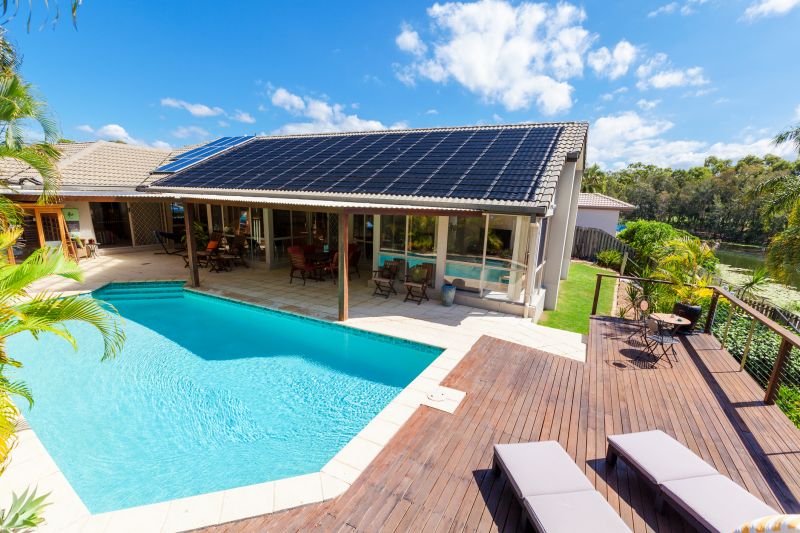 Constructing a durable and visually appealing pool deck involves selecting the right products that can withstand exposure to water, sun, and foot traffic. Pool deck materials come in various forms, each offering different aesthetic and functional qualities. From traditional concrete to modern composite decking, the options are diverse enough to suit different design preferences and budget considerations. Proper selection ensures safety, longevity, and ease of maintenance, making it an essential aspect of pool area planning.
Top Overall Option
Concrete Pavers
Concrete pavers are a versatile and durable choice for pool decks, offering a wide range of colors, shapes, and textures. They are easy to install and maintain, providing a stable surface that can accommodate various design styles. Their permeable nature helps with drainage, and they can be replaced individually if needed, making them a practical option for many pool areas.
Types of Products For Pool Deck Constructions
Concrete Pavers
Interlocking concrete pavers provide strength and aesthetic versatility for pool decks, available in numerous colors and patterns.
Stamped Concrete
Decorative concrete that can mimic natural stone, brick, or slate with textured patterns and color stains.
Natural Stone
Materials like flagstone, slate, or travertine offer a natural, elegant look with excellent durability.
Composite Decking
Made from a blend of plastic and wood fibers, composite decking resists moisture and requires less maintenance.
Pressure-Treated Wood
Affordable and easy to install, pressure-treated wood offers a warm aesthetic but needs regular upkeep.
Hardwood Decking
Premium wood options like cedar or ipe provide a luxurious look with natural resistance to decay.
Rubber Tiles
Soft, slip-resistant tiles made of rubber are ideal for safety and comfort around pools.
Porcelain Tiles
Porcelain offers a durable, water-resistant surface with a variety of modern design options.
Brick Pavers
Classic brick pavers add a timeless charm and can be arranged in various patterns for aesthetic appeal.
Polymeric Sand
Used as a joint filler for pavers, polymeric sand helps prevent weed growth and enhances stability.
Epoxy Coatings
Epoxy coatings can be applied over concrete surfaces to add color and slip resistance with a seamless finish.
Deck Sealants
Sealants protect wood and concrete surfaces from water damage and UV rays, extending lifespan.
Interlocking Tiles
Modular tiles that snap together, providing an easy-to-install and replaceable surface option.
Artificial Turf
Synthetic grass offers a lush, low-maintenance surface that remains green year-round.
Popular Choices
Widely used for their durability and design flexibility, concrete pavers are common in pool areas.
Popular for its decorative appeal, stamped concrete can mimic various natural materials.
Natural stones like flagstone are favored for their organic look and lasting performance.
Increasingly chosen for low maintenance needs and resistance to moisture, composite decking is trending.
A cost-effective option that remains popular for its classic appearance and ease of installation.
Safety-focused rubber tiles are favored for their slip resistance and comfort underfoot.
Modern porcelain tiles are trending for their sleek look and durability in wet environments.
Classic brick pavers remain a popular choice for their timeless charm and versatility.
Artificial turf continues to grow in popularity for a maintenance-free, green surface.
Easy to install and replace, interlocking tiles are a trending practical choice.
Epoxy coatings are increasingly used to enhance concrete surfaces with color and slip resistance.
Concrete remains a popular choice due to its versatility and strength. It can be poured in various finishes, from smooth to textured, and can be customized with stains or overlays for a decorative touch. Pavers are another versatile option, offering a wide range of shapes, colors, and textures that can be arranged in creative patterns. They are relatively easy to replace if damaged and provide good drainage. For those seeking a softer, more natural feel, stone options such as flagstone or slate can add a timeless appeal, though they may require more maintenance.
In recent years, composite decking has gained popularity for pool decks. Made from a combination of wood fibers and plastic, these materials are designed to resist moisture, rot, and insect damage. They typically feature slip-resistant surfaces, which enhance safety around wet areas. Additionally, composite decking requires less upkeep compared to natural wood, making it an attractive choice for many homeowners. Wood decking, whether pressure-treated or hardwood, offers a warm, inviting look but may need regular sealing and maintenance to preserve its appearance and structural integrity.
When selecting products for a pool deck, it is important to consider factors such as slip resistance, durability, maintenance requirements, and aesthetic compatibility with the surrounding landscape. Proper drainage and ventilation are also crucial to prevent water accumulation and damage. Budget constraints and installation complexity should be weighed alongside long-term performance to ensure the chosen materials meet both immediate and future needs of the pool area.
Key Buying Considerations
- Slip resistance to ensure safety around wet surfaces
- Durability and resistance to water, UV rays, and foot traffic
- Ease of maintenance and cleaning requirements
- Aesthetic compatibility with your landscape and home style
- Installation complexity and associated costs
- Long-term performance and lifespan of the material
- Drainage capabilities to prevent water pooling
- Compatibility with existing pool features and structures
- Temperature sensitivity, especially in hot climates
- Environmental conditions that may affect material choice
- Availability of replacement parts or materials
- Cost-effectiveness over the lifespan of the product
- Flexibility for future modifications or expansions
- Resistance to mold, algae, and staining
- Slip-resistant surface textures for safety